%20Logo.svg)

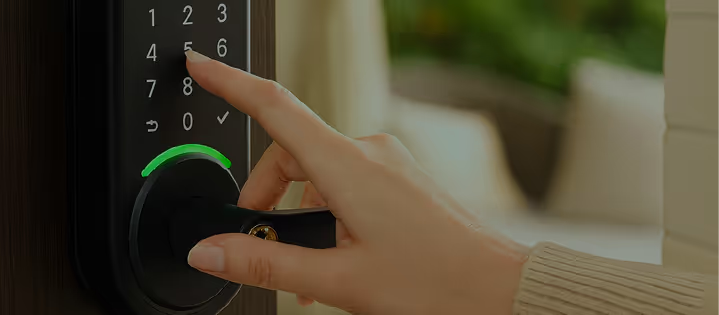
The conversation around contactless check-in usually starts at the guest room door. A guest receives their code or digital key, arrives on-site, and heads straight to their room — simple, convenient, and efficient.
What operators are discovering is that once the friction of keys, staffing constraints, and time-consuming check-in is removed, an entirely new set of opportunities opens up that drive revenue, save time, and give guests more freedom throughout their stay.
During the recent Beyond the Door webinar (hosted by 33 Lock and SuiteOp), we explored how today’s hospitality operators are using contactless check-in as the gateway to something bigger: access-driven upsells.
Imagine extending that same frictionless experience across the property, into any space or amenity that guests want during their stay. With digital access, those spaces become instantly accessible and ready to offer as revenue-generating add-ons, without adding work for staff.
How Digital Access Powers Upsells
Upsells like early check-in, late check-out, and room upgrades have long played a meaningful role in the hotel revenue mix, and non-room revenue is becoming an even larger part of the picture. A recent industry report found that 30-40% of incremental hotel revenue growth now comes from non-room sources such as wellness, parking, and curated experiences — a clear sign that guests are willing to spend more on added convenience and experience.
The opportunity is there, but the manual work behind most upsells makes them difficult to scale. In a traditional setup, each add-on requires coordination, timing, and staff involvement. Those extra steps create interruptions, inconsistent delivery, and more work for already lean teams.
Digital access removes that operational friction. When entry to a space can be granted or revoked instantly, upsells become easy to offer, consistent to deliver, and accessible to guests when they want them.
It allows operators to:
- Grant access automatically when a guest purchases an add-on
- Set time-bound permissions that expire on their own
- Offer upsells 24/7, even when no one is on site
- Eliminate key tracking and reprogramming
- Turn existing spaces into self-serve amenities without adding manual workflows
This foundation makes it possible to layer upsells naturally into every stage of the guest journey and deliver them seamlessly.
.png)
Revenue Opportunities Across the Guest Journey
Upselling works best when it feels relevant and helpful. With digital access and automation in place, every stage of the guest journey can become a moment of meaningful value.
1. Pre-Arrival
This is when guests are planning their stay and thinking ahead about ways to make their arrival smoother and more convenient.
Common upsells include:
- Early check-in
- Room upgrades
- Parking or EV charging
- Amenity passes (gym, pool, spa, coworking)
- Equipment rentals (bikes, beach gear, kayaks)
2. Arrival
Arrival is one of the most important moments in the guest experience, setting the tone for the entire stay. Contactless check-in allows guest to skip check-in lines and go straight to their room. When guests have a smooth arrival, they’re freed up to explore additional add-ons and experiences.
Upsells that fit naturally here are:
- Priority check-in (if early check-in wasn’t purchased earlier)
- Luggage storage (if the room isn’t ready)
- Welcome lounge or day-use areas
- Amenity access for gyms, lounges, or coworking spaces
3. In-Stay
This is when guests are settled in and looking for ways to make the most of their time on property, whether that’s relaxing, working, or exploring. With digital access, existing spaces become self-serve amenities.
It’s an ideal time to position:
- Fitness and wellness facilities (gym, pool, sauna, spa areas)
- Lounges or coworking spaces
- Activity and equipment rentals (bikes, paddleboards, beach gear)
- Paid laundry rooms
4. Checkout
As the stay wraps up, guests often want a bit more time or flexibility, especially around departure. Late check-out has historically required phone calls and staff coordination, but with automated access control it becomes a timed add-on that can be paid digitally and delivered instantly.
At check-out, guests often look for:
- Late check-out
- Stay extensions (when availability allows)
- Luggage storage for later departures
- Extended parking
How Automation Brings Upsells to Life
While digital access is the foundation, automation is what turns upsells into a seamless part of daily operations. Instead of relying on staff to coordinate timing, update access, or relay instructions, automation ensures every step happens accurately in the background.
Upsells often involve multiple moving parts: confirming availability, assigning tasks, updating access permissions, and notifying guests. Traditionally, those steps required manual coordination, which is exactly why upsells can be hard to scale.
Using Conditions and Requirements to Control When Access Is Granted
Most upsells require conditions to be met before a guest can unlock a room, amenity, or rental item. Automation makes it simple to define and enforce those requirements without staff involvement.
These conditions typically fall into two main categories:
1) Safety and verification requirements
- ID collection or guest verification
- Signing liability waivers
- Accepting safety instructions or terms
2) Financial requirements
- Mandatory fees
- Security deposits or damage waivers
- Add-ons guests choose to purchase
Automation links these requirements directly to access. A guest only receives the digital key or access code once the necessary conditions are met.
A dynamic guest portal makes this simple:
- The guest sees exactly what’s required
- Completes the steps digitally
- Only then does the system release the code or unlock the amenity.
Everything happens automatically, with no staff coordination and no risk of unlocking a space before payment or verification is complete.
Real Examples of Conditional Access for Upsells
This model makes it possible to offer upsells that once required staff time and manual work:
- Bike rentals, kayaks, or paddleboards: A guest books the rental, signs the waiver, pays the fee, and is granted digital access to the room containing the rental.
- Amenity spaces: For wellness spaces, lounges, or coworking areas, automation can approve access based on availability and payment, grant temporary access, and ensure that code expires at check-out or the end of a booked timeslot.
- Early check-in and late check-out: Automation can check availability against rules you’ve set, approve based on conditions (room ready, housekeeping capacity, payment confirmed), update the reservation and access window, and send a confirmation email to the guest.
- Mid-stay cleans: The guest selects a mid-stay clean from their portal; it’s automatically assigned to the right cleaner, scheduled into their workflow, and temporary access is granted if needed.
- Damage waivers and mandatory fees: These can be added to pre-arrival flows and must be accepted before access is released — protecting your property while simplifying the guest experience.
Where Access and Automation Meet
When digital access and automation work together, upsells stop being a manual process and become a built-in part of the experience. Operators gain repeatable revenue without increasing workload, while guests get more flexibility and control over their stay.
Digital access ensures guests can unlock the spaces and services they’ve purchased, right when they need them. Automation handles the work behind the scenes — checking conditions, updating permissions, and communicating with teams and guests. And when upsells are introduced at natural points in the guest journey, they feel like added conveniences rather than sales prompts.
When access becomes dynamic instead of static, you move from simply “letting guests in” to unlocking a full ecosystem of upsells, flexibility, and guest-driven choice that meaningfully impact the bottom line.
Guests benefit when the services they want become easier to access and better aligned with the flow of their stay. Operators gain incremental revenue from the spaces and services they already have.
Access-driven upsells give guests more value and operators a stronger, more reliable revenue mix, powered by systems that keep operations efficient behind the scenes.